
At-home IPL can be a practical hair-reduction option for compatible skin tones and hair colors. The safest place to begin is not a viral routine or another brand's schedule. It is the manual supplied with your exact device.
What IPL does
IPL stands for intense pulsed light. The device emits filtered light that can be absorbed by pigment in the hair. That energy is converted to heat and is intended to reduce future regrowth over a repeated treatment plan.
IPL is not instant hair removal, and it is not suitable for every person. Results vary, and maintenance may be needed.
1. Check compatibility and exclusions
Use the skin-tone and hair-color chart for your model. Read every warning covering medication, photosensitivity, pregnancy, skin conditions, tanning, tattoos, dark marks, irritated skin, and excluded body areas. Ask a qualified healthcare professional when you are unsure.
A skin-contact sensor, when present, confirms contact with the skin. It should not be confused with a sensor that automatically identifies skin tone or selects the correct energy level.
2. Patch-test the area
Test a small area at the setting and waiting period specified in the manual. Repeat the test when you move to a new body area or increase the energy level. Do not continue if the skin response falls outside the manual's guidance.
3. Prepare clean, dry skin
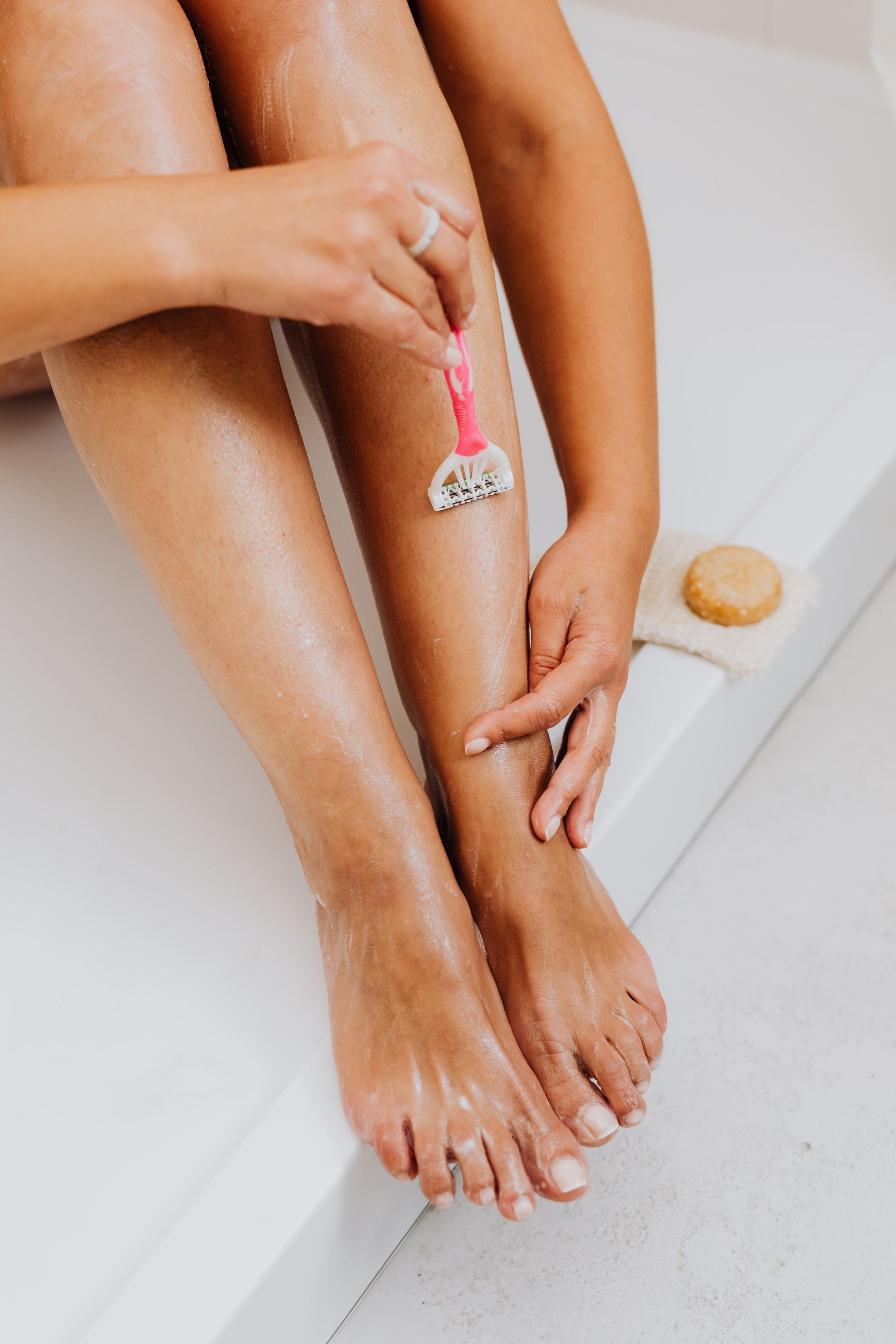
Remove visible hair using the method permitted by your manual. For many at-home IPL routines, this means shaving so that pigment remains below the skin while surface hair is removed. Make sure the area is clean, completely dry, and free from lotion, oil, deodorant, or fragrance.
4. Use the device methodically
- Keep the treatment window flat against the skin.
- Use a patch-tested, comfortable energy level.
- Follow the manual's guidance on overlap and repeated flashes.
- Use manual or automatic flash mode only as described for your model.
- Protect your eyes according to the supplied instructions.
5. Follow the model-specific schedule
Treatment frequency differs between devices. Do not use a fixed online timetable as a substitute for the manual. More frequent use does not guarantee faster results.
6. Record progress without forcing a deadline
Track treatment dates, body areas, energy levels, and skin response. Compare occasional photos in similar lighting and look for changes in regrowth over time. Avoid promising yourself a particular percentage or result by a fixed week.
When to stop
Stop if you experience unexpected pain, blistering, persistent redness, or a skin-color change. Review the manual and seek medical advice for a significant or lasting reaction.
This guide is general educational information. The instructions and warnings supplied with your exact device always take priority.